How LiDAR Scanning Is Replacing Manual Field Sketches for Insurance Claims
Before you can estimate anything in Xactimate, you need a sketch — and that means a site visit, a tape measure, and hours crawling through a damaged property. LiDAR scanning replaces that entire workflow with a single visit and an ESX file that imports directly into Xactimate, ready to estimate. The adjusters still sketching by hand aren't saving money.
The Bottleneck Every Adjuster Knows
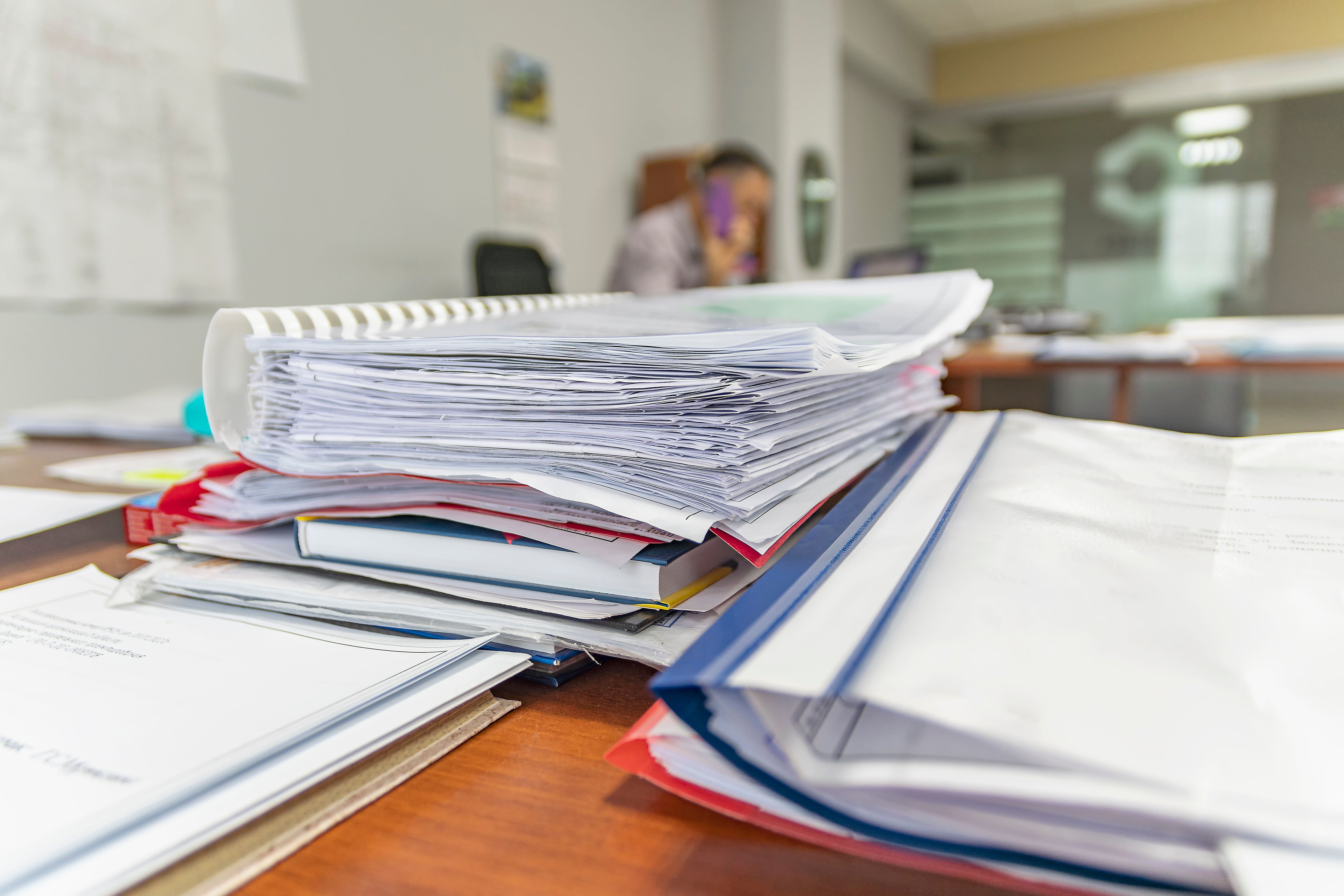
If you're an insurance adjuster, you already know the bottleneck. A loss comes in — water damage, fire, storm — and before you can estimate anything in Xactimate, you need a sketch. That means a site visit, a tape measure, a pad of graph paper, and an hour (or three) crawling through a damaged property measuring room by room.
The sketch goes back to the desk. Someone enters it into Xactimate. Half the dimensions don't match. There's a missing closet. The ceiling height was assumed, not measured. The sketch gets revised. Another site visit gets scheduled. The claim sits.
This workflow hasn't changed in decades, and it's costing carriers millions in cycle time, rework, and disputed settlements.
From Scan to Xactimate — No Sketching Required
LiDAR scanning changes the equation. A single scan visit captures the entire property — every room, every wall segment, every opening, every ceiling detail — in measurable 3D. The scan data is then processed into an ESX file that imports directly into Xactimate with rooms, walls, openings, ceiling types, and fixture positions already populated. No manual sketching. No re-measuring. No second visit.
Accuracy That Justifies the Cost
The accuracy improvement alone justifies the cost. A tape measure in a damaged building is subject to human error, physical obstructions, and the inherent limitations of measuring one line at a time. LiDAR captures the full geometry of every surface simultaneously, producing a spatial record that's dimensionally verifiable and tamper-proof.
Speed That Moves the Claim
But accuracy isn't the only advantage. Speed matters just as much. An adjuster who spends three hours manually sketching a 2,000 sq ft home could instead spend 30 minutes on-site while a scanning technician captures the data. The ESX file arrives the next business day. The estimate starts immediately. The claim moves.
Where LiDAR Thrives: Large-Loss & Complex Claims
For large-loss and complex claims, the value multiplies. Properties with unusual layouts, multi-story structures, commercial spaces, and buildings with pre-existing modifications are exactly the environments where manual sketching breaks down and LiDAR thrives. Every corner, jog, and non-standard element is captured automatically.
The Litigation Angle
There's also the litigation angle. A 3D scan creates a timestamped, unalterable digital record of the property's condition. If a claim goes to dispute, you have court-admissible documentation that shows exactly what the property looked like at the time of inspection — not a hand-drawn sketch that opposing counsel can challenge.
The Industry Is Already Moving
Progressive carriers and independent adjusting firms are already building LiDAR scanning into their standard workflow. It's not a luxury add-on — it's a process improvement that reduces cycle time, increases estimate accuracy, and protects against disputes.
The adjusters still sketching by hand aren't saving money. They're spending it in places they can't see — rework, return visits, disputed estimates, and extended claim cycles.